
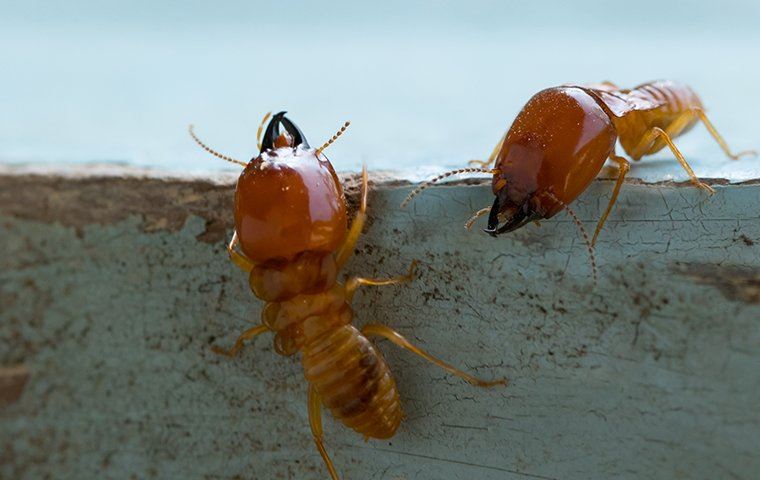
Termites are wood-destroying insects that live in large populations across much of the country. Termites feed on the cellulose found in wood and other natural materials. Eastern subterranean termites, Formosan termites, and drywood termites are the three species we have to protect our homes against. Each has unique wants and needs, but all can cause costly damage to our homes.
Every year across the United States, termites cause billions of dollars in damages. These pests don't pose significant dangers to people, contaminate our food, or spread diseases. However, the considerable damage termites cause to our homes and bank accounts make them dangerous pests to have living in our homes.
Termites are opportunistic and will take advantage of any property that provides them with a suitable nesting spot that puts them close to food sources. We call termites silent invaders because, unlike ants and other pests we see traveling throughout our homes, we rarely, if ever, see termites.
Termites spend their life hidden from view under the ground, in mud tubes, in their nest, or inside the wood they are feeding on. It can take years to discover their presence, and usually only after they have caused significant damage.
To help you identify a termite infestation faster, we want to provide you with a list of some of the most common signs that signal termites are in your home:
We guarantee our work. If you see pests, we return at no extra charge.
Eastern subterranean termites move into our homes through cracks in the foundation or wood making direct contact with the damp soil. Once they are in our homes, they travel through wood floor joists and into structural wood behind walls or under floors. The wood behind walls or under floors near window sills, water pipes, or air conditioners is most likely to be damaged by water and used as a food source by subterranean termites.
Formosan termites will build nests in the ground like subterranean termites. However, they also create aerial nests, usually on the rooftops of buildings or in the wall voids of our homes. We find them feeding on structural wood around windows, doors, and light fixtures.
Unlike subterranean termites, drywood termites live, feed, and nest inside the wooden structures they are feeding on. In our yards and homes, drywood termites regularly feed on lumber, utility poles, fences, decks, wood trim, and wooden furniture.
If termites have found a way to your property, the fastest and most effective way to get rid of them is by reaching out to a professional termite control expert. At EnviroGuard Pest Control, we will begin by performing a thorough inspection, looking for active termites, signs of termite activity, and conditions on your property that may be attracting unwanted termites. Our professionals have a deep understanding of the different termites living in our area and what treatments work best to eliminate them.
Give us a call today to learn more about our termite control solutions and which option is best for your home and family.
Prevent issues with termites using our most helpful termite prevention tips.
